
Prestige Mitsubishi - Mitsubishi SUVs vs Subaru for Frost Heaves and Washboard Gravel near Menomonie, WI
Real-life west-central Wisconsin driving is a little bit of everything — a pre-dawn cruise on I-94, a quick jog down WI-25 toward Lake Menomin, a last mile on a washboard township road, and a spring commute peppered with frost heaves and slush. At Prestige Mitsubishi, we often meet shoppers near Menomonie who are deciding between Mitsubishi SUVs and Subaru models. Both brands have strong all-weather reputations, but the finer points matter when the route includes gravel, ruts, and rapidly changing surfaces. Below, we unpack how Mitsubishi SUVs — from the city-friendly Eclipse Cross to the family-ready Outlander and the Outlander Plug-in Hybrid (PHEV) — stack up against popular Subaru options used for similar purposes.
To keep this comparison useful, the focus stays on real-world road textures and the tech that helps in Dunn County and along the Red Cedar corridor. Subarus are known for Symmetrical All-Wheel Drive and trail-lite features such as X-MODE on certain trims. Mitsubishi counters with All-Wheel Control (AWC) and Super All-Wheel Control (S-AWC), a multi-mode approach that pairs traction with yaw management. Add cabin quietness, driver-assist confidence, and cold-weather amenities, and the day-to-day differences start to show up in how drivers feel over the next frost heave — not just on a spec sheet.
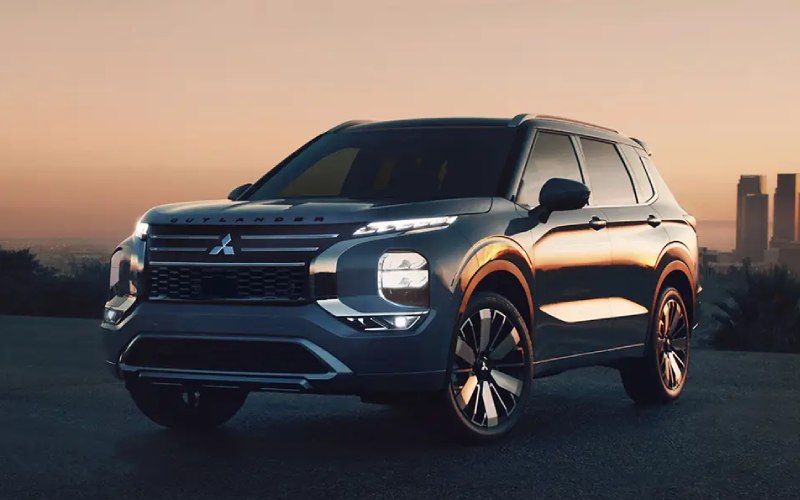
Mitsubishi SUVs come in body styles and drivetrains that map well to what Menomonie-area families need. Eclipse Cross brings tidy dimensions and S-AWC availability that shine on narrow rural lanes and snow-packed side streets. Outlander delivers three rows and available S-AWC for growing families shuttling between school, work, and UW-Stout events. Outlander PHEV goes further, pairing S-AWC with an electric drive system for low-traction control and near-silent errands across town. Subaru lineups meet similar needs with compact and two-row choices, plus a three-row option in larger trims. Both approaches work, yet the way each brand tunes traction, ride, and driver-assist features leads to different outcomes on those freeze-thaw stretches that define western Wisconsin in March and April.
On unpaved or loosely packed roads, Mitsubishi S-AWC stands out for its integrated control strategy. Rather than simply shuffling torque front to back, S-AWC coordinates with Active Yaw Control to subtly brake an inside wheel and help the SUV rotate predictably, even as the surface breaks up beneath the tires. The result can feel especially reassuring when a county road transitions from smooth gravel to rhythmic washboards mid-corner. Subaru systems answer with full-time AWD balance and brake-based torque assistance of their own, delivering stability that many drivers appreciate. The distinction is in the drive-mode tailoring: Mitsubishi includes Surface modes such as Gravel, Snow, and Mud that alter throttle mapping, shift strategy, and torque distribution in concert, which can help the vehicle stay composed as conditions flip between crowned gravel, soft shoulders, and slushy ruts on WI-29 ramps.
Ride comfort over heaves and patchwork pavement is another difference Menomonie drivers notice. Mitsubishi emphasizes body rigidity with compliant suspension tuning, which helps settle the cabin after sharp impacts and limits flutter over concrete expansion joints on I-94. That tuning pays dividends on rural roads, where quick, small-amplitude bumps can otherwise set a vehicle into a never-ending bounce. Subaru models traditionally lean toward a firm, trail-capable setup that controls body motion well, particularly at speed and on graded dirt. Both strategies have merit. For many families splitting time between Eau Claire and Menomonie, Mitsubishi’s particular blend of composure and quiet can make the daily mix feel calmer, especially for passengers in rows two and three.
Cold-weather usability counts just as much as traction. Mitsubishi SUVs offer available heated steering wheels and seats, fast-acting automatic climate control, and windshield features designed to clear fog quickly during those damp, 20-degree mornings along Lake Menomin. Mitsubishi Connect enables available remote functions through a smartphone app, helping warm the cabin or check vehicle status before a sunrise drive to the Red Cedar State Trailhead. Subaru’s connected services deliver similar conveniences; the difference often comes down to how intuitively the apps pair with your phone and how quickly the vehicle reaches a comfortable temperature during back-to-back errands in town. From our test drives around Dunn and Eau Claire Counties, Mitsubishi’s cabin heat-up and defog response feel quick and confidence-inspiring.
Driver assistance is part of the story, too. Mitsubishi Outlander offers MI-PILOT Assist™, which brings together features such as Adaptive Cruise Control and lane guidance to reduce stress on longer I-94 runs or in stop-and-go traffic near the US-12 interchange. Available Multi-View Camera System helps with low-speed maneuvering on narrow farm driveways or angled street parking around downtown Menomonie. Subaru’s EyeSight Driver Assist Technology is a well-known suite, supporting cruise and lane functions effectively. In practice, both systems help reduce fatigue; drivers who prefer straightforward menus and easy-to-read graphics often favor the layout and button logic in Mitsubishi cabins, especially when toggling settings with cold-weather gloves.
For households considering electrification without giving up winter confidence, Outlander PHEV presents a strong case. All-wheel drive is integrated with the dual-motor system, and selectable modes let drivers use EV power for errands or blend in the gas engine for longer trips. Many local drives — grocery runs off WI-25 or a quick commute to campus — can be handled on electric power alone when charged, all while retaining S-AWC traction logic for snow days. Subaru’s electrified options are more limited, so shoppers who want meaningful EV driving plus all-weather traction frequently gravitate to the Outlander PHEV for its daily usability in our climate.
Warranty coverage is another practical consideration in a region where freeze-thaw cycles add miles and wear in a hurry. Mitsubishi backs its vehicles with a 10-year/100,000-mile powertrain limited warranty for the original owner, complemented by additional limited warranty coverage and roadside assistance. Subaru’s coverage is competitive but shorter on the powertrain timeline. For many Menomonie-area drivers planning to keep a vehicle beyond the initial years, that longer horizon contributes to peace of mind when the odometer climbs with winter commutes and summer road trips.
To summarize the experience-based differences that matter on our roads, here are the core reasons Mitsubishi often feels like the right fit near Menomonie.
- All-weather traction logic: Mitsubishi S-AWC layers torque distribution with Active Yaw Control and surface-specific modes, helping maintain predictable rotation and grip as gravel, slush, and frost heaves mix across a single drive.
- Ride compliance on frost heaves: Cabin calm and impact control help Mitsubishi SUVs settle quickly after sharp bumps — welcomed by passengers on County Highway J or rural spurs with frequent patchwork repairs.
- Road-trip tech for I-94: MI-PILOT Assist™ aims to reduce fatigue during longer stretches, while available Multi-View Camera support eases tight turnarounds at trailheads and lakeside lots.
- Cold-climate comfort: Fast warm-up, effective defogging, and available connected app features align with sub-freezing starts and thaw-season dampness along the Red Cedar River.
- Owner peace of mind: Robust limited warranty coverage reinforces long-term confidence for families who rack up miles between Menomonie, Eau Claire, and the Twin Cities.
Choosing the right body style within Mitsubishi’s SUV family depends on daily patterns. Eclipse Cross suits drivers who value an easy-to-park footprint with available S-AWC agility for alleyway snow and gravel shortcuts. Outlander serves families requiring flexible seating for seven, strong winter poise, and a refined ride on I-94. Outlander PHEV brings the same year-round confidence while trimming gas station stops for local use, ideal for those who can plug in overnight between shifts or classes.
At Prestige Mitsubishi, our team helps shoppers map these differences to specific routes — from early-morning commutes to UW-Stout, to weekend hockey tournaments in Eau Claire, to summer evenings at Wakanda Park. A quick loop that includes I-94, a few miles of WI-25, and a familiar gravel segment can reveal how traction, ride, and cabin tech feel in the real world. Bring that route, and we will set up back-to-back drives so decision-making is grounded in what matters most.
Frequently Asked Questions:
How does Mitsubishi S-AWC differ from Subaru’s AWD on washboard gravel?
S-AWC integrates torque distribution with Active Yaw Control and surface-specific drive modes. On washboard gravel, that coordination helps the vehicle track straight and rotate predictably through slight curves. Subaru’s full-time AWD offers balanced traction and stability; the practical difference often shows up when surface grip changes quickly mid-corner, where S-AWC’s mode tuning can keep inputs feeling consistent.
Is Outlander PHEV a good fit for winter driving around Menomonie?
Yes. Outlander PHEV pairs electric drive with S-AWC, so all-wheel traction and surface modes remain available in winter. With regular charging, many short errands can be completed on electric power, while longer trips blend the gas engine as needed. The result is year-round confidence plus meaningful day-to-day EV driving.
Which Mitsubishi SUV is best for families using gravel roads and school drop-offs?
Outlander is a strong all-rounder for families who need three rows and consistent winter traction. Eclipse Cross fits smaller households that want a compact footprint with available S-AWC for snow-packed side streets and rural connectors. Outlander PHEV suits families interested in electrification without sacrificing all-weather confidence.
How do Mitsubishi driver-assist features help on I-94 runs?
MI-PILOT Assist™ brings together adaptive cruise and lane guidance to help reduce fatigue, particularly on longer stretches between Menomonie and Eau Claire. Clear graphics and straightforward controls make it easy to use even with winter gloves, and available Multi-View Camera support helps with low-speed parking at trailheads and downtown spots.
Can Prestige Mitsubishi help plan a test route that includes gravel and frost heaves?
Absolutely. We encourage shoppers to take a familiar route. Our team will coordinate a drive that includes I-94, a bit of WI-25, and a short township road so you can evaluate traction, ride quality, and cabin tech in the conditions you experience every week.
When roads are slick, rutted, or just plain unpredictable, the right SUV makes every mile feel easier. Mitsubishi’s approach — S-AWC confidence, calming ride quality, thoughtful cold-weather comfort, and an ownership package built for the long haul — aligns naturally with life near Menomonie. Visit Prestige Mitsubishi at 3525 Highway 93 in Eau Claire for a comparison drive. Our team will help match you with the Mitsubishi SUV that handles frost heaves, washboard gravel, and everything in between with quiet confidence.